 HFD Team
 When it comes to hair care, shampoo plays an important role. However, using the incorrect shampoo or applying it improperly may lead to dry and dull hair and create difficulties in styling it.
Although shampoo may not contain any harmful elements, specific ingredients, treatments used in the product, or improper washing techniques may invoke moisture issues in your hair.
So, what makes you doubt your shampoo qualities? Learn all the details.
Is Shampoo Actually Bad for Your Hair?
No, the short answer is no. Shampoo is used to get rid of excess oil (sebum), dirt, sweat, pollution and product residue from the scalp. A clean scalp helps create an ideal environment for hair growth as well as avoid any residue on the scalp that causes irritation.
Nevertheless, not all shampoos work well with every kind of hair. Harsh cleansing ingredients, washing your hair frequently or using the wrong shampoo can remove too much of the oil your hair needs and leave it dry or make your scalp itch. The secret is to choose a shampoo suitable for your hair type and routine.
Signs Your Shampoo May Not Be Right for You
If you notice any of the following after washing your hair, it may be time to switch shampoos
Dry, coarse or brittle hair: Hair that has a straw-like texture or isn’t silky enough can mean that there is too much moisture loss due to your shampoo.
Too much frizz and breaks: Hair is more prone to split ends and breaking when the cuticle is dried out.
An itchy or irritated scalp: Severe itching, redness or discomfort can be due to some irritant components in the shampoo or sensitivity to the product.
Hair becomes greasy too quickly: A very powerful shampoo can upset the natural balance in the scalp and make it hard to deal with the oils properly.
Too fast fading: Sulfate-rich shampoos can lead to faster color fading in hair.
These symptoms don’t always mean the shampoo is “bad,” but they often indicate it’s not the best match for your hair needs.
Ingredients to Watch For
Reading the ingredient list can help you make a better choice.
Harsh sulfates (such as Sodium Lauryl Sulfate or SLS) provide deep cleansing but may leave dry, damaged, or colour-treated hair feeling stripped.
Drying alcohols like isopropyl alcohol or ethanol can reduce moisture in the hair shaft, leading to dryness and breakage.
Strong fragrances or dyes may trigger irritation in people with sensitive scalps.
Remember, ingredients aren’t universally harmful. Hair type, scalp condition, and frequency of use all influence how a shampoo performs.
How to Wash Your Hair Properly
The technique you use is as significant as the choice of the shampoo product.
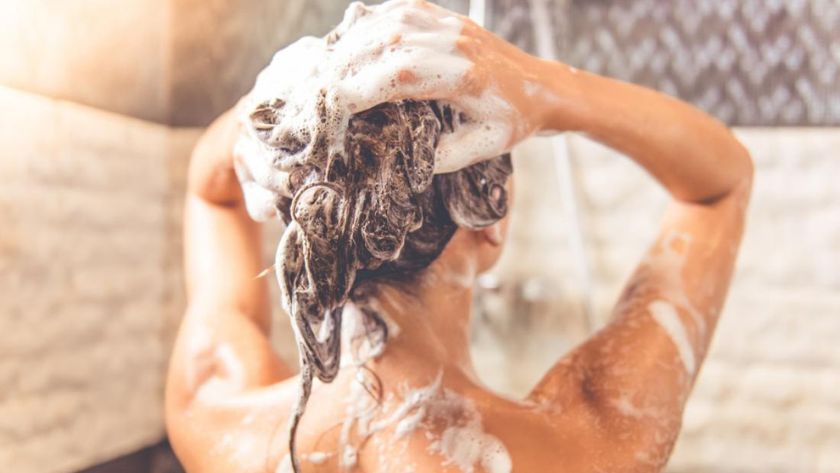
- Shampoo should be applied directly to the scalp, where grease and grime collects.
- Massage the scalp area properly with the fingers instead of scratching the area with nails.
- Let the shampoo lather overflow onto the hair shafts or hair tips without rubbing the shampoo into them directly.
- Conditioner should only be applied on the hair shaft and hair tip areas to make sure that the hair remains soft without weighing down the scalp.
- Make sure to rinse properly so that no products accumulate on the scalp.
Gentle washing helps clean your scalp while protecting the hair shaft from unnecessary friction.
How Often Should You Shampoo?
An individual’s washing schedule is not defined globally. The hair type, lifestyle and the condition of the scalp determine how often one should wash hair.
- Oily hair: Every 1–2 days.
- Normal hair: Every 2–3 days.
- Dry or curly hair: One to two times per week.
- Colour-treated hair: Every 3–4 days using a colour-safe shampoo.
If you are someone who frequently exercises and sweats, you might need to wash hair more than someone else by using a gentle, sulfate-free shampoo.
Should You Stop Using Shampoo?
The “no-poo” movement suggests avoiding shampoo altogether, but there’s no single approach that works for everyone. Some people find success with conditioner-only washing (co-washing), while others experience scalp buildup, itchiness, or excess oil without regular cleansing.
Instead of stopping using shampoo altogether, search for a mild shampoo that is appropriate for your hair type and scalp. Regularly cleaning your scalp is still a necessity to keep your hair healthy.
Is sulfate-free shampoo better?
Shampoos that are free from sulfates are often gentler compared to other shampoos and they are suitable for dry or frizzy hair. Although people who have oily hair and scalp are usually advised to use stronger cleansing shampoo formulations.
Can shampoo cause hair loss?
Shampoo in itself cannot cause loss of hair. Nevertheless, owing to the moisture-robbing properties of forms of shampoo, it may lead to dryness, damage, or irritation of the scalp, thus making hair appear thin.
Can I wash my hair with only water?
Water is helpful in washing away the salty or some surface dirt, but it does not provide the desired results in washing away oil or environmental pollution. Thus, we conclude that people should find out what kind of shampoo is suitable for them and use it properly.
Final Thoughts
Healthy hair starts with a healthy scalp. Shampoo isn’t the enemy—using the wrong product or washing too aggressively is often the real issue. Choose a shampoo that matches your hair type, avoid unnecessarily harsh formulas if your hair is dry or sensitive, and use proper washing techniques to maintain your hair’s natural moisture balance.
Small changes in your hair care routine can make a noticeable difference, leaving your hair cleaner, healthier, and easier to manage over time.
Also Read : Purple Shampoos: How Do They Really Work?