
 HFD Team
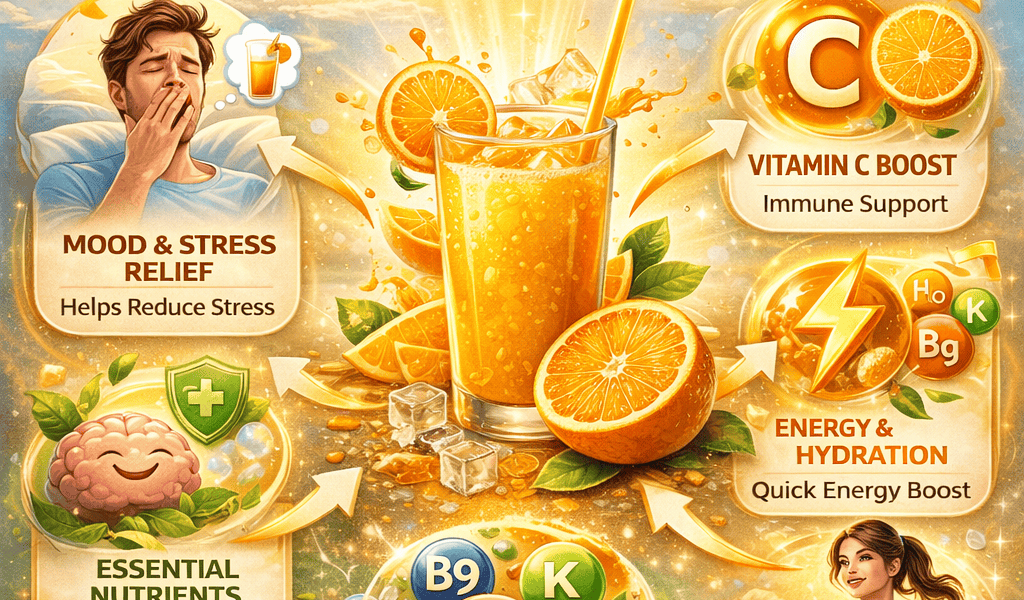
 When you crave orange juice, it can feel like a spur-of-the-moment occurrence. You might wake up wanting a glass of orange juice, or crave it in the middle of something particularly stressful. Craving orange juice isn’t a random occurrence. It just means that your body or mind may be trying to guide you regarding health or nutrition. By learning more about the physiological and psychological effects of orange juice, you will be able to understand what it is your body is craving and what it really needs.
1. Your Body May Need More Vitamin C
One of the most concentrated sources of vitamin C is Orange juice. This vitamin aids your immune system, helps your body fight infections, and supports healing from wounds. If you find yourself craving orange juice, it could mean your body is signalling you and that you may need a Vitamin C boost. This may occur during seasonal changes, during cold and flu season, or after prolonged fatigue. Vitamin C can also support your gums, bones, and may help protect your cells from oxidative stress.
2. You Might Be Feeling Stressed
Cortisol, the stress hormone, will raise your stress levels when you are stressed. This can cause sugar cravings. Oranges contain natural sugars that provide quick energy and emotional comfort, which is why during long periods of stress, your body may have gotten a message in your brain that orange juice will provide relief. The sweetness of the orange juice and the refreshing fruit can only provide temporary relief from stress. This response to the fruit is a normal reaction, but shouldn’t become a habit, as it can lead to excessive sugar intake and later energy slumps.
3. Possible Electrolyte or Hydration Imbalance
After you sweat or exercise, or if you haven’t had enough fluid, your body may also seek out orange juice for its potassium and hydration. Potassium helps maintain fluid balance, supports muscle contractions, and helps maintain blood pressure. Often, these cravings for orange juice after exercise are linked to a desire to replenish electrolytes. Adding a small amount of orange juice to water will provide your body with hydration without a large sugar load.
4. Low Blood Sugar Levels
When your blood sugar drops, your brain sends a signal that your body needs a quick jolt of energy. Orange juice, for example, supplies you with carbohydrates that the body absorbs quickly and raises blood sugar. If you tend to skip meals or your experience dizziness during the day, this may be your body’s way of asking for fuel. If this is a common occurrence, it is best to choose snacks that balance the three macronutrients—protein, carbohydrates, and fibre—to avoid significant increases and subsequent drops in glucose.
5. Digestive or Gut Health Imbalance
Desiring citrus foods may be a sign of digestive distress or an imbalance in our gut. The acidity in orange juice may stimulate digestive enzymes and enhance the breakdown of food. Some individuals crave this when their stomach feels sluggish or heavy. If you experience acid reflux or have a sensitive stomach, too much orange juice may exacerbate these symptoms. Listening to your body’s signals is vital, as is choosing whole oranges instead, which provide fibre independently and support digestion.
6. Pregnancy and Hormonal Changes
It is not unusual for pregnant women to crave citrus fruits and juices. Because of the role hormones play with taste and the higher vitamin needs in pregnancy, it is often common for women to crave orange juice specifically. The increased need for vitamin C and folate can be attributed to the baby growing inside the woman and to boost immune strength. These types of cravings are perfectly normal; however, portion control is important when consuming orange juice, as it is high in natural sugars.
7. Emotional or Comfort Connection
At times, cravings have emotional origins. You may associate orange juice with comfort, childhood memories, or your morning routine. The familiar taste may remind you of something that makes you feel calm or energized. By identifying emotional connections, it becomes easier to see that some cravings are not physical but relate to habits and emotions.
8. When to Worry About Frequent Cravings
Having cravings for orange juice from time to time isn’t a problem. However, if you crave orange juice every day or drink large amounts, you may end up consuming too much sugar or damaging your tooth enamel. Drinking orange juice regularly may also interfere with blood sugar management, particularly if you are someone with diabetes or who is insulin-sensitive. If you find yourself consistently craving citrus or sour foods, you should check with your healthcare provider about your vitamin C and iron levels, or your hydration status. Cravings can also sometimes signal stress or imbalance in your diet.
9. Healthy Ways to Satisfy the Craving
- Pick orange juice that says “fresh squeezed” and is unsweetened.
- Dilute juice by mixing it with water to reduce the sugar content.
- Eat whole oranges so you get the fibre and nutrients together.
- Use water infusions with citrus fruit— oranges, lemons, or other citrus— added to your salad.
- Consider eating or drinking another fruit high in vitamin C, such as kiwi, guava, or strawberries.
These options will give your body the same nutrients —just with more fibre and less sugar.
Conclusion
When you think to yourself, “I want orange juice,” you begin to understand what both your body and mind are really trying to say — whether a need for vitamin C, hydration, or stress relief. Whatever the case, cravings are a signal from the body, and the trick is to listen to it and respond mindfully to your needs. You can enjoy orange juice in moderation! You can strive to consume a natural form and combine drinking the juice with a healthy diet to help manage and energise the body.
FAQs
1. Why do I have a nighttime craving for orange juice?
You may be dehydrated or low on blood sugar. Drinking some water or eating a snack could help you know.
2. Can a vitamin deficiency cause cravings for orange juice?
Yes. A deficiency of vitamin C or folate can lead to cravings, as your body may be indicating you’d like to replenish the nutrient.
3. Is it bad to drink orange juice every day?
Only moderately. A small glass of 100% juice could fit into a balanced diet, but too much might increase your sugar intake.
4. What does it mean if I’m craving sour things?
A craving for sour foods could be a sign of a vitamin C deficiency, a digestive issue, or a preference for sour foods.
5. How can I stop the cravings for orange juice frequently?
Stay hydrated, manage your stress, and maintain a balanced diet that includes plenty of fruits and vegetables to avoid nutrient cravings.