
 HFD Team
 Introduction
Hello readers!
If you’ve ever looked at those small orange eggs on sushi and wondered what masago is, you’re in the right place. Well, I’ll tell you everything you need to know about masago and fish roe in a clear, plain way less fluff, no equipment bragging. You will discover exactly what it is, its nutrition, benefits, risks, and how to eat it safely.
What Is Masago?
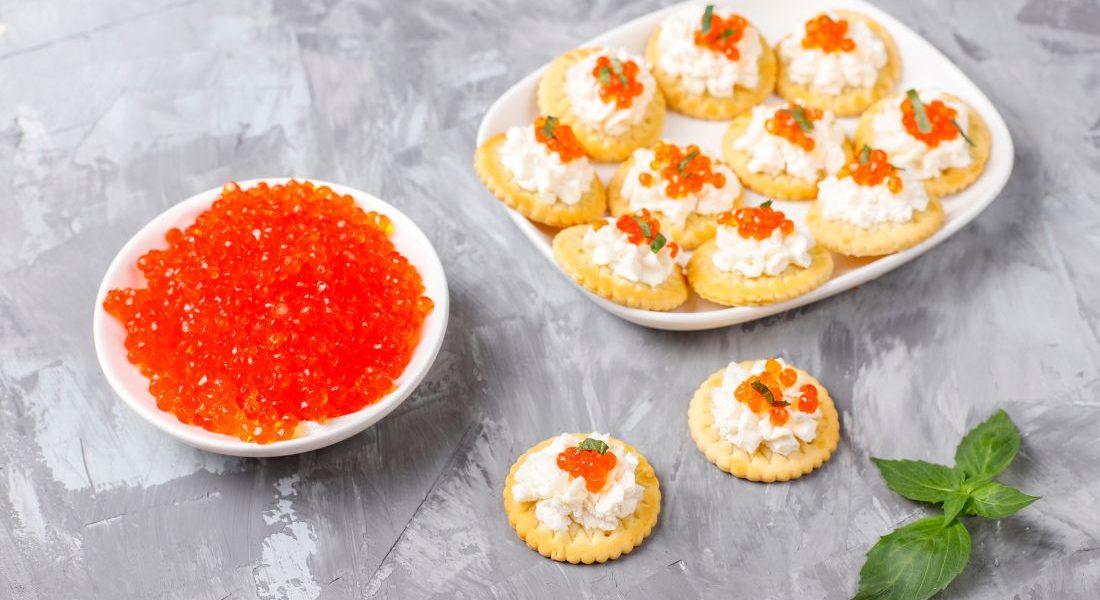
Masago is the roe or eggs of the capelin fish, a small cold-water fish that swims in huge schools found in the North Atlantic and Arctic oceans.
These eggs are small and crunchy, with a bright orange color. They have a mild, salty flavor and are used in sushi, poke bowls, rice dishes, and sauces. Masago is also an inexpensive alternative to tobiko (flying-fish roe).
Despite being tiny, the eggs are rich in nutrients and have a rich flavor.
Nutrition Included in Masago
Masago is low in calories but nutrient-rich. A small serving provides:
- High-quality protein
- Omega-3 fatty acids
- Vitamin B12
- Selenium
- Phosphorus
- Healthy fats
- Very low carbohydrates
These nutrients make masago a small but powerful addition to your diet.
Benefits of Fish Roe
Masago, the fish egg, is also nutritious and good for your overall health. And a little offers valuable protein, fats and vitamins.
High-Quality Protein
Fish roe has a complete protein profile, making it key for muscle repair and growth, and it also has a satiety factor.
Rich in Omega-3 Fatty Acids
These healthy fats also support heart health and reduce inflammation, and have been shown to improve brain function.
Vitamin B12
Fish eggs are an excellent source of B12, which helps produce energy, form red blood cells, and maintain nerve health.
Selenium and Antioxidants
And the mineral selenium, which helps protect cells from damage and supports immune and thyroid function.
Low Mercury
Because small fish such as capelin are used, the mercury content is low, making it safer than many other seafood.
Benefits of Eating Masago
- Masago offers all the benefits of fish roe in a tasty, practical way.
- adds omega-3 fats and protein.
- boosts immunity and vitality
- gives nutrients while consuming very few calories.
- adds flavor to rice, salads, sauces, and sushi.
Health Risks and Disadvantages of Masago and Fish Roe
Although fish roe and masago are healthful, there are a few things to consider:
High sodium: Many masago products contain soy sauce or salt. Eating a lot can affect blood pressure.
Allergies: Masago and other fish roe should be avoided by those with fish or shellfish allergies. Rashes, upset stomachs, and breathing problems are examples of mild reactions.
Additives: Colors, preservatives, or MSG may be present in some processed masago. These may cause mild reactions and don’t add nutrition.
Sustainability: Fish populations and marine ecosystems may be impacted by the harvesting of female capelin that lay eggs.
The good news is that masago is safe and highly nutritious when consumed in moderation and from reputable sources.
How to Eat Masago
A small amount is sufficient because masago has a strong flavor.
Here are some simple ways to enjoy it:
- Add some to the sushi rolls.
- To poke bowls, add
- Add to noodles or rice.
- Incorporate into hot mayo.
- Top seafood recipes
- Garnish salads
Instead of using it as a primary ingredient, use it as a garnish or topping.
Conclusion
Masago, a common ingredient in sushi and Asian cooking, is the roe of the capelin fish. It is tiny but rich in minerals, vitamin B12, protein, and omega-3 fats that support immunity, energy, and heart health.
When consumed in moderation, masago is safe. Pay attention to additives, allergies, and sodium. Savor it as a garnish to add more flavor, crunch, and nutrients to your food.
FAQs
What is masago exactly?
It is the capelin egg, which is frequently used in seafood and sushi recipes.
Can I consume masago every day?
Daily consumption may raise sodium levels, but small amounts are acceptable. It is advised to exercise moderation.
Can allergies be brought on by masago?
Indeed. Those with seafood allergies should avoid it. Sensitive people may experience mild reactions.
Is masago safe to use while pregnant?
Indeed, in moderation. Although the mercury content is low, choose pasteurized products and pay attention to sodium levels.
How much masago should I consume?
Occasionally, 1-2 tablespoons will do as a garnish or topping.