
 HFD Team
 Prophylactic dental services focus on preventing dental problems before they occur. A professional teeth cleaning and regular dental evaluation provide the basis for this type of care. Prophylaxis services maintain a person’s healthy teeth and strong gums while promoting sound oral hygiene.
Silent Dental Problems: Many of the more common dental issues occur without any pain at all. Dental plaque initially shows no signs of pain; however, if it continues to accumulate on the tooth surface, it can eventually cause decay or contribute to the onset of periodontal disease. Prophylactic dental care can prevent and/or eliminate problems associated with plaque buildup early.
What Is Prophylaxis Dental?
Prophylaxis Dental Care: Prophylaxis dental care is the process of cleaning your teeth by a dentist (or dental hygienist). This cleaning procedure includes removing surface stains, tartar, and plaque from your teeth. It is important to understand that brushing your teeth cannot completely remove tartar buildup from your tooth surface.
The build-up of tartar on your teeth irritates your gums. This irritation can potentially create زيادة (inflammation or bleeding). Through regularly scheduled cleanings, a decrease in the amount of bacteria in your mouth and better protection of your gum tissue can be achieved.
Why Prophylaxis Dental Care Matters
Plaque builds up daily on teeth. When the plaque becomes hard, it becomes tartar. Tartar is a factor when determining a person’s potential risk for developing tooth decay and gum infections.
In addition to being associated with dental issues, dental prophylaxis plays an important role in maintaining an individual’s overall health. Studies have shown that poor oral hygiene contributes to the development of many other serious health conditions. One of the most common chronic conditions associated with poor oral health is heart disease. Therefore, maintaining good oral health can help individuals limit their long-term risk of developing chronic health problems.
Who Should Get a Prophylaxis Dental Cleaning?
Everyone Benefits from Prophylaxis and Preventive Dental Cleaning.
Preventive dental care is needed for every age group:
from children to adults to older people, and everyone in between. Some individuals with specific dental needs (braces, diabetes, or smoking) may require more frequent preventive dental cleanings than those without these needs.
Although we may think our teeth look clean, many bacteria remain hidden below the gum line. Only a professional can provide full and thorough cleaning of the oral cavity.
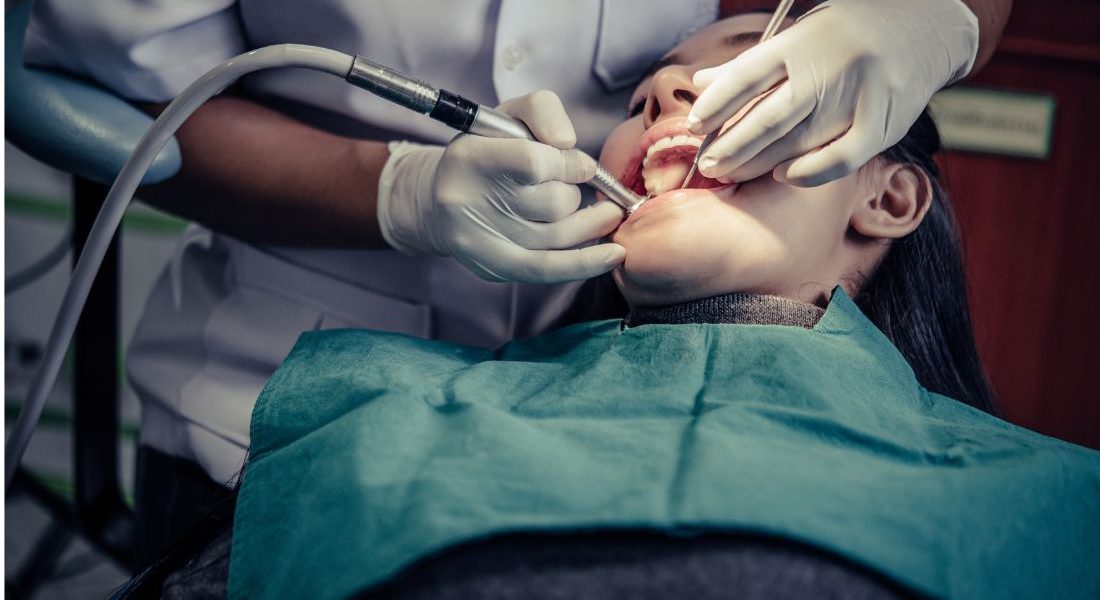
What Happens During a Prophylaxis Dental Visit?
An oral examination is the starting point of the visitation. The dentist examines the patient’s teeth, gums, and any pre-existing dental work.
- The next step in dental cleaning is the removal of plaque and tartar by utilizing special instruments.
- The next stage of the procedure involves polishing the teeth to remove surface stain (tobacco).
- The next step is flossing to remove debris between the teeth. The final step of the cleaning is fluoride treatment to help remineralize and strengthen the enamel.
How Often Is Prophylaxis Dental Needed?
This is a simple, quick procedure that can be performed in 1 hour for most patients. Most patients require dental prophylaxis every six months; however, some patients (depending on the health of their gums and medical history) may need to return every three to four months for cleaning. Dentists will provide a schedule for you to follow based on your individual oral health status.
Difference Between Prophylaxis Dental and Deep Cleaning
The purpose of dental prophylaxis is preventive care for healthy gums and for patients without problems. Deep cleaning is a procedure used to treat existing gum disease. A dentist will suggest a deep cleaning if an infection has moved below the gum line.
Performing preventive care regularly is important, as it helps you avoid extensive dental procedures.
Supporting Prophylaxis Dental Care at Home
Your everyday habits are the most important factor in taking care of your mouth. It is best to brush your teeth twice a day with fluoride toothpaste and floss once a day. In addition, you should restrict your intake of sugary foods and beverages and drink water after meals.
By following the practices mentioned above, you can help support the effects of professional dental cleaning.
Conclusion
Dental prophylaxis is critical for maintaining long-term oral health. Prophylaxis prevents the most prevalent dental problems and helps identify them early. Routine preventive dental care, along with good home dental care, helps keep your teeth and gums healthy.
Preventive dental care may also reduce the need for future dental treatment. Preventive dental care will benefit your entire wellness.
FAQs
What is dental prophylaxis?
Dental prophylaxis is a professional preventive cleaning performed by a dentist or dental hygienist. It removes plaque, tartar, and surface stains from the teeth. The purpose is to prevent cavities, gum disease, and other oral problems before they develop.
Is prophylaxis the same as deep cleaning?
No, prophylaxis is not the same as deep cleaning. Prophylaxis is meant for patients with healthy gums and no active gum disease. Deep cleaning is used when gum disease is present and targets bacteria below the gum line.
Is dental prophylaxis painful?
Dental prophylaxis is usually not painful. Most patients feel mild pressure or vibration during cleaning. People with sensitive gums may feel slight discomfort, but the procedure is generally comfortable and well tolerated.
Which patients need dental prophylaxis?
All patients need dental prophylaxis. Children, adults, and older adults benefit from regular preventive cleaning. Patients with braces, diabetes, smoking habits, or a higher risk of gum disease may need it more frequently.
What happens during prophylaxis?
During prophylaxis, the dentist or hygienist first examines the mouth. Plaque and tartar are then removed using professional tools. The teeth are polished, flossed, and sometimes treated with fluoride. The procedure usually takes less than one hour.
Is It Safe to Eat Ice Cream Every Day?