
 HFD Team
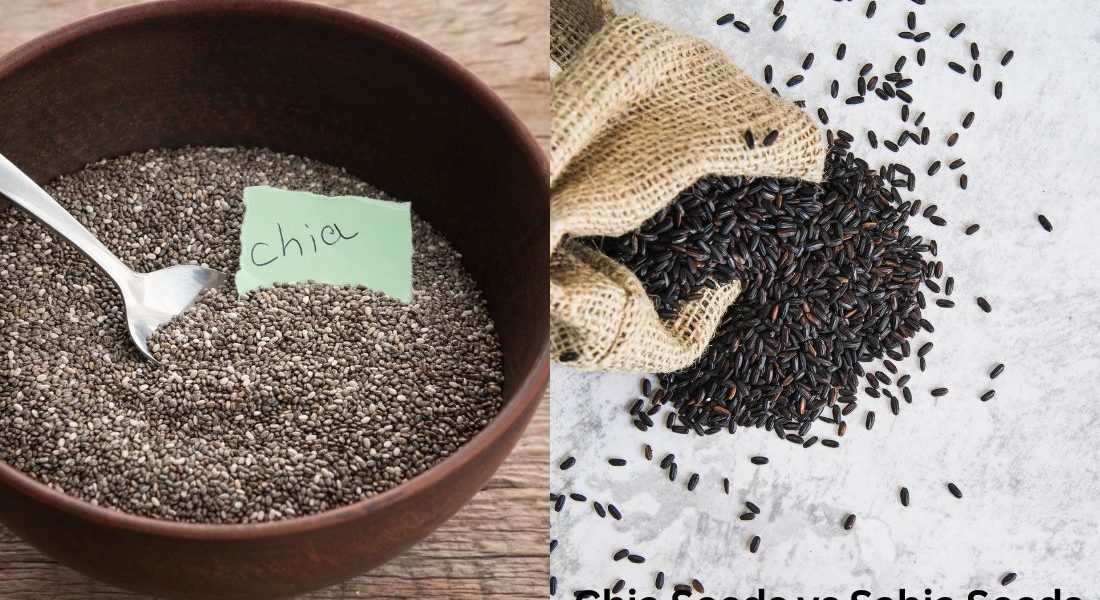
 Although chia and sabja seeds look similar, they are completely different. Most people confuse the two because they both swell when soaked in water and promote the digestion of food. The following guide provides a comprehensive overview of chia vs. sabja seeds, with no confusion or unnecessary wording.
What Are Chia Seeds?
Chia seeds come from Salvia hispanica. They are small, oval-shaped, and can be either black or white. Chia seeds remain crunchy until soaked.
Chia seeds will absorb up to 10 times their weight in water, forming a gel-like outer layer. People add chia seeds to smoothies, oatmeal, and yogurts.
What Are Sabja Seeds?
Sabja seeds are from a type of basil plant commonly known as sweet basil. They are black, tear-shaped, and swell up more quickly than chia seeds.
When soaked, sabja seeds develop a thick outside layer of gel-like substance with a black centre. Sabja seeds are used in many Indian drinks and desserts.
Nutritional Composition of Chia Seeds vs Sabja Seeds.
Nutrition helps us decide which seeds to use when making our meals.
Chia seeds contain:
- High fiber
- Omega-3 fatty acids
- Protein
- Calcium and magnesium
Sabja seeds contain:
- Moderate fiber
- Iron
- Calcium
- Cooling compounds
Chia seeds provide more protein and healthy fats. Sabja seeds focus more on digestion and cooling the body.
Digestion and Weight Management
Both chia seeds and Sabja seeds offer great benefits for digestion; however, their mechanisms of action are very different.
Chia seeds take longer to digest so you will remain fuller longer making them helpful in controlling hunger and assisting with weight management.
On the other hand, Sabja seeds work faster, calming and soothing your stomach, and help with heartburn and acidity. These seeds are often used by many during the summer months.
When comparing Chia Seeds with Sabja Seeds, Chia Seeds are better suited for a long-term diet plan, while Sabja Seeds are better suited for immediate relief from digestive discomfort.
Blood Sugar and Heart Health
In addition to controlling hunger, Chia Seeds help lower blood sugar absorption; therefore, they provide better blood sugar management than Sabja Seeds. Chia Seeds also provide cardiovascular support due to their high omega-3 fatty acid content.
Unlike Chia Seed, Sabja Seed helps control blood sugar spikes with less fat, while still providing cardiovascular benefits by helping address total cholesterol levels.
If your primary goal is the health of your heart, you will benefit more from Chia Seed.
Like other healthy fats such as pumpkin seed oil, chia seeds support heart health by improving cholesterol balance.
Skin, Hair, and Cooling Effect
Other advantages of Sabja Seeds include their ability to cool the body and help prevent heat-induced skin problems naturally; thus, people consume them in summer beverages.
Chia Seeds are beneficial for maintaining skin elasticity, and their high antioxidant content helps protect skin from damage. Additionally, due to their protein content, they also promote hair strength.
Thus, the primary difference between Chia Seed and Sabja Seed is whether you require nourishment or a cooling effect
How to Use Chia Seeds and Sabja Seeds
Chia seeds usage:
- Add to smoothies
- Mix with oats or yogurt
- Use in baking
- Sprinkle on salads
Sabja seeds usage:
- Add to lemon water
- Use in milk drinks
- Mix into falooda or juices
- Always soak both seeds before consumption.
Which One Should You Choose?
Choose chia seeds if you want:
- Long-lasting energy
- Weight control
- Heart health support
Choose sabja seeds if you want:
- Better digestion
- Body cooling
- Quick stomach relief
There is no winner in the chia seeds vs. sabja seeds debate. Each serves a different purpose.
Final Thoughts on Chia Seeds vs Sabja Seeds
The focus of chia seeds is on nutrition and fullness. The emphasis of sabja seeds is on digestion and cooling properties. Both types of seeds are very easy to add into your daily diet.
When selecting between the two, choose based on the health goal you want to address, rather than following a trend. Both chia seeds and sabja seeds are beneficial for an overall healthy lifestyle when used correctly.
Also Read : Zinc – A Mineral Of Minerals